

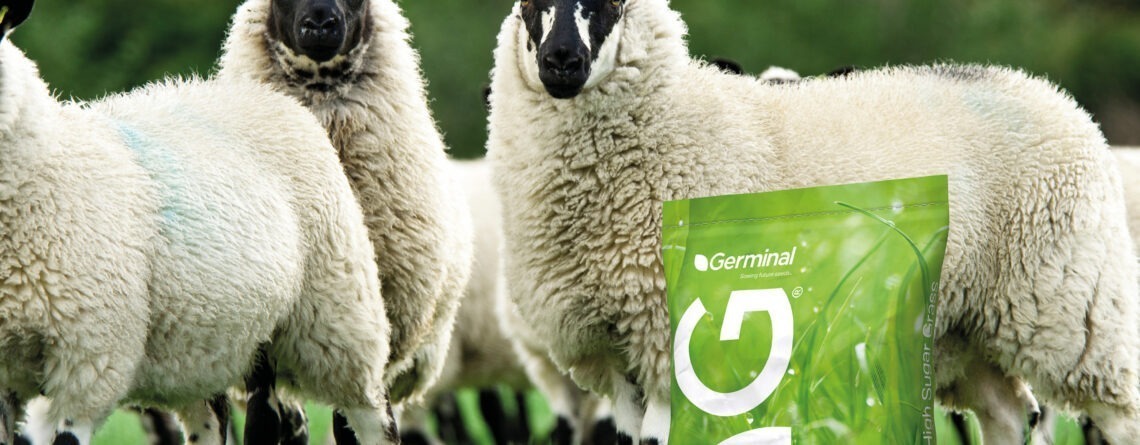
Trevor Shaw runs a 40 head of cattle and 150 breeding ewes in Ballymena, Northern Ireland. This blog was written in Trevor’s own words on how he started to experiment with Puna II Chicory to improve the growth rates of his lambs.
During 2020 with the COVID 19 Pandemic, I started to watch different YouTube channels related to farming. A couple of guys who particularly caught my attention were Jan Kielstra from Canada, SaskDutch Kit and Eric Weaver from Pennsylvania America and 10th Generation Dairyman, who mainly grow Alfalfa as a forge feed.
This set the wheels turning to why am I trying something other than just grass. The farm has had little field work carried out over several years, running 40 head of cattle and 150 breeding ewes and with the attitude of “we have always done it that way” approach, it was about time to change things and try something new.
From courses that I attended they were keen to highlight the need for good soil management and how to improve pasture. I researched different forages, and the one that seemed best suited to our farm was chicory. This was a forage that draws suitable minerals from the soil for grazing, does not bloat animals and that there are varieties that now last for over 2 years.
I looked the Germinal website and found Puna II Perennial Chicory, the datasheet showed the following:
Nutritional value of Puna II
- Yields up to 15tDM/ha in a season
- High protein (25% crude protein) and D-value (70-80)
- Beneficial high mineral content, including zinc, potassium and copper
- Supports outstanding animal performance (e.g. lamb growth rates of 300-400g/head/day)
Wider benefits of Puna II
- Drought tolerant due to its deep tap root
- Rapid regrowth after grazing
- Maintains quality dry matter production throughout the season
- Reduces the effects of internal parasites
- Does not cause bloat
So, we took to the fields, ploughed the land, power harrowed to leave the best possible seedbed, broadcast sowed the seed, 1kg/acre, along with grass seed and rolled the fields. This method was recommended to ensure best seed to soil contact. A soil test showed that the pH was low and the P and K was high, so the recommended lime and Nitrate was applied.
With the seed well established, it was time to see the performance of the chicory on a hillside 900ft above sea level with exposure to all the elements.
The fields were grazed with lambs and after the first 2 weeks of grazing the lambs averaged 285g/head/day. This is less than what was stated in the datasheet, but I was still very impressed with the performance based on its environment.
The regrowth rate of the chicory was very impressive and in the spring this year you can really see the chicory in the sward. With the cattle now grazing the chicory, I experimented by opening the gate to the adjoining field with grass aged 20+ years. Guess what field they live in? I have to say I am very pleased with the overall performance of the Puna II Chicory and have planned to use it again this year. This year we improved the grazing management, through use of Gallagher Electric Fencing from Pasturetec. Prior to reseeding another field in Autumn, I had a discussion with Rob Massey, Agronomist from Pasturetec and we decided to add Tonic Plantain with Puna II Chicory into a HSG3 seed mix from Germinal to further diversify the sward. I will provide another update next year when it has established itself and we have results from the first grazing season.
To see how this goes, keep an eye out on our Instagram page @slieverushfarms. Contact the Pasturetec Team for advice on grassland management, seed selection or grazing management with electric fencing on 01283 387290 or e mail us: info@pasturetec.co.uk



Leave a Reply